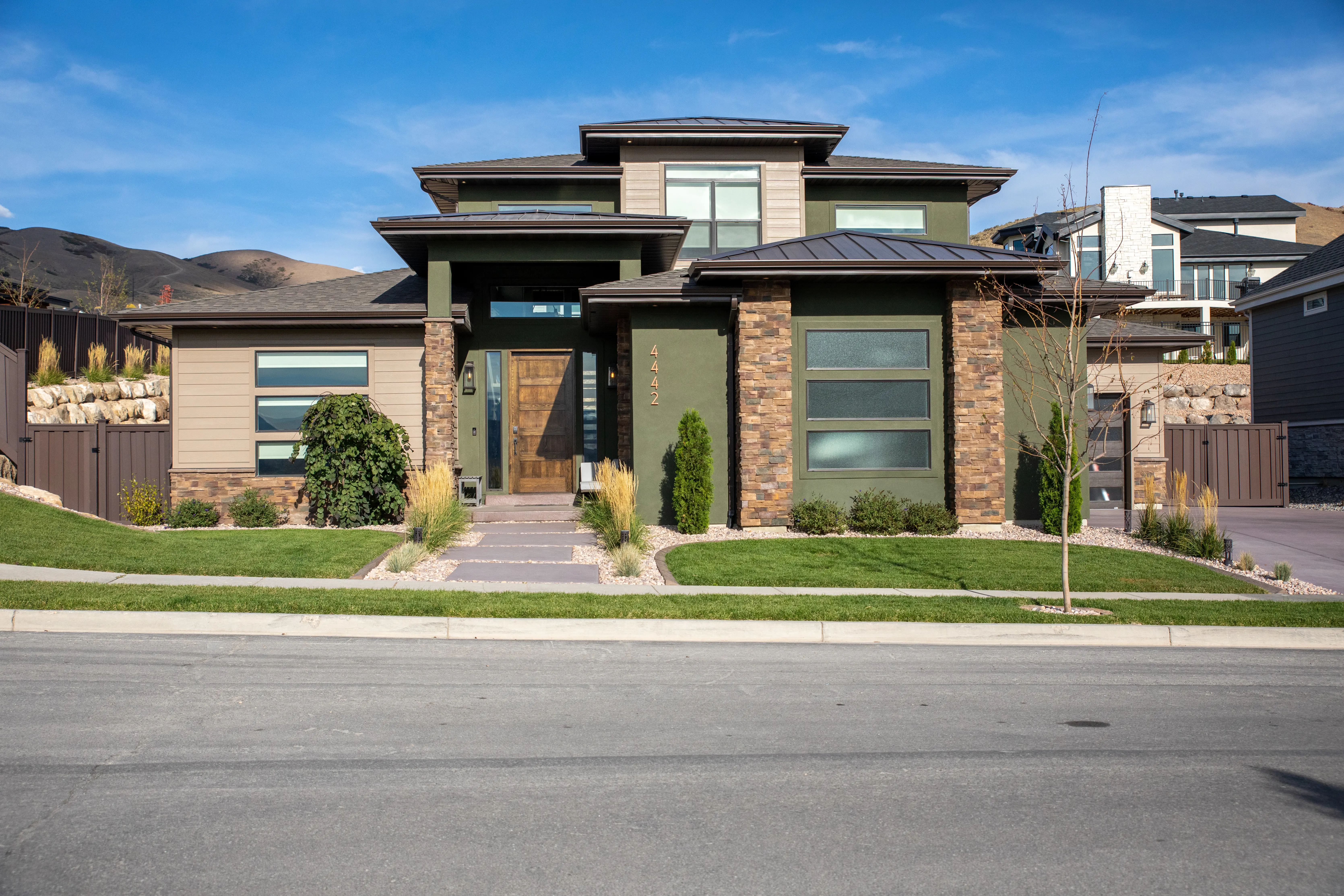
Which Home Improvements Actually Increase Value in Provo Bench - Edgemont?
Quick Answer: The improvements most likely to support resale value are the ones buyers can understand quickly: fresh condition, functional systems, strong curb appeal, updated kitchens and baths, and thoughtful repairs backed by documentation. In Provo Bench - Edgemont, sellers often benefit more from strategic preparation than from highly personalized upgrades. Cosmetic choices that feel expensive to the owner may not translate into the same value for a buyer. The right plan depends on your home’s condition, competing listings, and what today’s buyers are comparing against.
Key Takeaways
- Visible condition often shapes buyer confidence before upgrades do.
- Repairs can protect value when deferred maintenance creates doubt.
- Neutral finishes generally appeal to a wider buyer pool.
- Highly personal upgrades may not return their full cost.
- Documentation can make recent improvements more credible to buyers.
- Pre-listing strategy should match your home, not trends alone.
One of the biggest misconceptions I hear from sellers is that the most expensive improvement must create the most value. A dramatic remodel may feel impressive, but buyers often respond more strongly to homes that feel cared for, current, and easy to trust.
Value is rarely created by spending alone.
As a local specialist serving Provo Bench - Edgemont and a top producing broker helping buyers and sellers in Provo and Utah County year after year, I’ve learned that the right preparation is highly specific. The goal is not to improve everything; it is to improve the items most likely to influence confidence, pricing strength, and the first impression your home makes.
Value-Driven Improvements vs. Overbuilt Pre-Listing Projects
| Aspect | Value-Driven Improvements | Overbuilt Pre-Listing Projects |
|---|---|---|
| Buyer impact | Addresses visible condition, function, and confidence before a buyer begins negotiating. | May impress some buyers but can feel too specific, too costly, or disconnected from the rest of the home. |
| Typical examples | Fresh neutral paint, repaired flooring, updated lighting, service records, exterior maintenance, clean landscaping, and minor kitchen or bath refinements. | Full custom remodels, highly stylized finishes, specialty rooms, elaborate outdoor features, or luxury fixtures beyond the home’s natural market position. |
| Best use of seller preparation | Focuses on making the home feel polished, cared for, and ready for the next owner. | Can consume time and budget without necessarily changing how buyers value the property. |
| Documentation needed | Receipts, permits when applicable, maintenance records, warranties, seller disclosures, and inspection-related repair history. | The same documentation is still needed, but buyers may not assign full value to the seller’s total investment. |
| Strategic risk | Generally lower risk because improvements are tied to broad buyer expectations and visible condition. | Higher risk because taste, timing, and neighborhood price position may limit the perceived return. |
What Improvements Usually Matter Most to Sellers?
The improvements that can matter most are the ones that reduce buyer hesitation. Buyers may admire design, but they often act on clarity: a clean presentation, dependable systems, and visible maintenance can make a home feel more straightforward to purchase.
For sellers, the strongest projects often fall into practical categories:
- Fresh interior paint
- Clean flooring condition
- Kitchen surface updates
- Bathroom refreshes
- Exterior maintenance
- Lighting improvements
These updates can help a property photograph well, show well, and compete more effectively. The exact priority should be based on the home’s current condition, not on a generic renovation checklist.
Which Upgrades Are Often Overvalued?
Some upgrades may be beautiful without adding equivalent resale value. Custom features, niche design choices, luxury materials in the wrong context, and projects completed mainly for personal enjoyment can be difficult to recover at sale.
That does not mean those choices were mistakes. It means they may have served your lifestyle more than your resale strategy. Buyers may appreciate them, but they may not assign the same value you invested.
Commonly overestimated improvements can include:
- Highly customized built-ins
- Bold specialty finishes
- Overbuilt outdoor features
- Luxury upgrades beyond the home’s tier
- Room conversions with limited flexibility
How Does Provo Bench - Edgemont Context Affect Improvement Decisions?
Local context matters because buyers compare your home against nearby alternatives, not against a national design trend. In Provo Bench - Edgemont, presentation, condition, and perceived long-term care can shape how confidently a buyer evaluates a listing.
Provo Bench - Edgemont
Sellers preparing a home in Provo Bench - Edgemont should think carefully about how each improvement supports the home’s overall story. A polished, well-maintained property can often feel more compelling than one with a few expensive upgrades surrounded by unresolved repairs.
Before committing to larger projects, review recent maintenance records, seller disclosures, property tax records, and any applicable association documents. These sources help clarify what has already been improved, what may still need attention, and what buyers may ask about during due diligence.
What Should Sellers Fix Before Listing?
Sellers should generally address items that make buyers wonder what else has been neglected. Small signs of deferred maintenance can create larger concerns, especially when they appear in visible areas such as entries, kitchens, baths, exterior surfaces, and mechanical access points.
Priority items often include:
- Leaky fixtures
- Damaged trim
- Worn paint
- Loose hardware
- Stained surfaces
- Deferred exterior care
Documentation can be valuable. Maintenance records, contractor invoices, permits when applicable, warranties, and seller disclosures may help buyers understand the work completed and the care invested in the property.
What I Recommend Every Seller Review
Before listing, I encourage sellers to review:
- Current condition compared with nearby competition
- Repairs that could raise inspection concerns
- Paint, lighting, and flooring presentation
- Kitchen and bath surfaces
- Maintenance records and warranties
- Seller disclosures and assessment history
- Pre-listing preparation timeline
These conversations can be just as important as choosing the list price, because the right preparation may influence how confidently buyers respond.
Are Home Improvements Worth the Cost Before Selling?
For many sellers, the answer can be yes, but only when the improvement supports buyer confidence, presentation, or market position. No single upgrade universally wins, and a project that makes sense for one Provo Bench - Edgemont home may not be the right choice for another.
The smarter question is not “What can I spend?” but “What will help the right buyer understand the value already here?” Budget matters, but so do timing, condition, lifestyle appeal, and how the home compares once it reaches the market.
A strategic plan can help you avoid unnecessary work while focusing on the details that may have the greatest influence on perception. That is where a refined pre-listing review becomes a practical advantage.
Explore Provo Bench - Edgemont Homes for Sale
Browse Provo Bench - Edgemont Homes for Sale
Related Guides
- The 5 Smartest Home Improvements to Maximize Your Home's Value in Provo, UT
- 5 Low-Cost Ways to Increase Your Home's Value
- Does the Utah Valley Chamber of Commerce Add Value for Provo Home Buyers?
- Why Two Buyers Can See Completely Different Value in the Same Provo Home
- Wildfires and Your Property Value
If you are preparing to sell in Provo Bench - Edgemont, connect with Summer Luke for a thoughtful pre-listing strategy or explore current opportunities at onxrealty.com.
Frequently Asked Questions
What improvements actually increase my home value before selling?
The improvements most likely to support value are the ones that remove buyer objections and make the home feel well cared for. In Provo Bench–Edgemont, that often means updated mechanical systems, clean exterior presentation, refreshed kitchens and baths, repaired flooring, quality paint, functional outdoor areas, and clear documentation for any major work.
Should I remodel my kitchen before listing my Provo Bench–Edgemont home?
A full kitchen remodel may help in some cases, but it is not always the most strategic pre-listing choice. Sellers may see better results from targeted updates such as refinished cabinets, improved lighting, updated hardware, clean counters, and professional presentation if the existing layout already works well.
Do luxury finishes always add more resale value?
Luxury finishes can help when they align with the home’s architecture, price position, and buyer expectations. Overly personalized materials, unusual colors, or upgrades that feel disconnected from the rest of the property may not return as much value as sellers expect.
Is landscaping worth improving before I sell?
Landscaping can influence value when it improves first impressions and makes the outdoor space feel usable. On the Provo Bench and in Edgemont, buyers often pay close attention to slope, drainage, retaining walls, irrigation function, and how easily an outdoor area can be maintained.
What upgrades do buyers usually notice first?
Buyers typically notice condition, light, layout, cleanliness, and whether the home feels current without feeling overly customized. Fresh paint, quality flooring, updated lighting, clean windows, repaired exterior surfaces, and organized storage can all shape a stronger first impression.
Are solar panels a good investment before selling?
Solar panels can be attractive to some buyers, but the resale impact depends heavily on ownership structure, remaining obligations, system age, and utility history. Sellers should gather the solar agreement, payment details, production records, transfer terms, and any warranty information before relying on solar as a value point.
What improvements usually do not add as much value as sellers think?
Highly personal upgrades often do not add as much resale value as expected. Examples can include specialty rooms, bold design choices, expensive fixtures that exceed the rest of the home’s finish level, or backyard features that require significant maintenance.
How do I know which projects are worth doing before I list?
The best approach is to compare your home’s current condition with what nearby buyers are likely expecting at your price point. A pre-listing walkthrough with Summer Luke can help separate essential repairs, strategic cosmetic updates, and optional improvements that may not meaningfully change the sale outcome.
Local Market Insight
On the Provo Bench and in Edgemont, the most persuasive improvements are often quieter than sellers expect. Because many homes in this area sit where elevation, slope, view orientation, and yard usability can shape buyer perception, practical work such as drainage correction, retaining wall maintenance, exterior paint, window clarity, deck condition, and irrigation function may matter as much as cosmetic polish. I would rather see a seller make the home feel structurally composed and beautifully maintained than spend heavily on a dramatic finish buyers may choose to replace. Key seller priorities often include:
- Making the exterior approach feel clean, intentional, and well maintained.
- Documenting roof, HVAC, plumbing, electrical, and water-related repairs clearly.
- Improving light with clean windows, updated fixtures, and thoughtful paint selections.
- Repairing flooring, trim, doors, and hardware that can make a home feel tired.
- Presenting outdoor spaces as usable, manageable, and appropriate for the property’s setting.