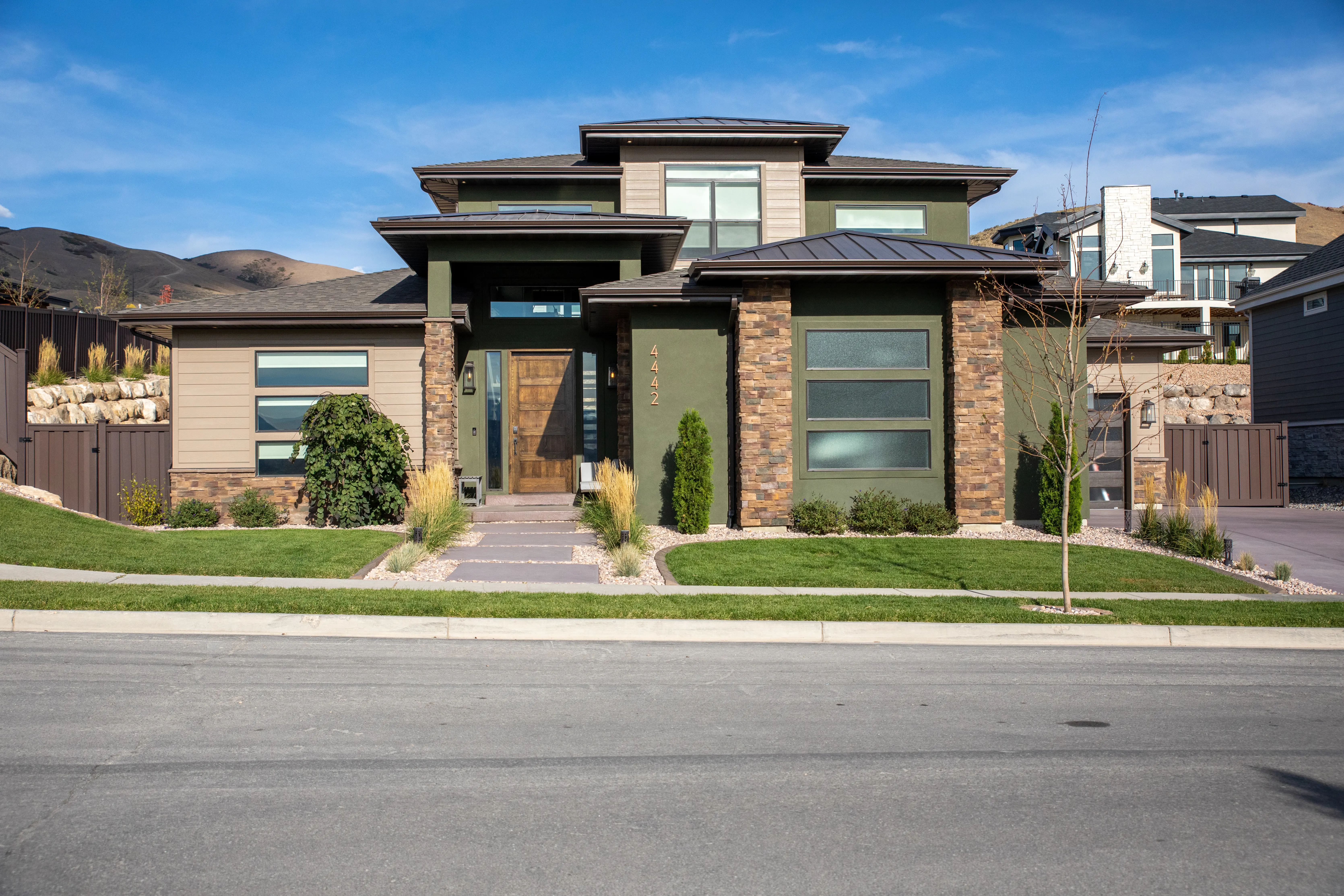
How Can Buyers Spot Utah’s Next Breakout Neighborhood, From Provo Bench to Southern Utah?
Quick Answer: Buyers can spot a potential breakout neighborhood by looking beyond the listing price and watching for practical signs of growing demand. Strong clues can include improving property condition, better access to daily needs, buyer competition that feels consistent rather than sudden, and homes that still offer room to add value. From Provo Bench to Southern Utah, the right area depends on your budget, timing, commute needs, lifestyle fit, and comfort with future maintenance or ownership obligations.
Key Takeaways
- Breakout neighborhoods often show steady buyer interest, not quick hype.
- Location fit matters as much as projected appreciation.
- Condition, layout, and resale flexibility can shape long-term value.
- Local documents reveal costs that listing photos cannot show.
- Provo Bench and Southern Utah attract different buyer priorities.
- No single neighborhood is right for every buyer.
One of the biggest misconceptions I hear from buyers is that the next breakout neighborhood is easy to spot because everyone is already talking about it.
By then, you may be reacting instead of preparing.
As a local specialist serving Utah, and as a top producing broker helping buyers and sellers in Provo and Utah County year after year, I’ve learned that the better question is not “Where is everyone buying?” It’s “Where do the fundamentals still line up with your goals?”
Provo Bench vs. Southern Utah Growth Areas: What Buyers Should Compare
| Aspect | Provo Bench | Southern Utah Growth Areas |
|---|---|---|
| Buyer appeal | Often appeals to buyers who want established Provo access, hillside setting, and proximity to existing city amenities. | Often appeals to buyers comparing newer construction, desert lifestyle, outdoor access, and long-term regional growth patterns. |
| Due diligence focus | Review home age, slope, drainage, parking, winter access, remodel quality, and inspection findings carefully. | Review HOA rules, utility setup, water-related disclosures when applicable, rental restrictions, heat exposure, roof condition, and insurance estimates. |
| Growth signal to watch | Look for steady buyer interest, renovation activity, access to Provo and Orem services, and realistic resale comparisons. | Look for transportation planning, infrastructure timing, community rules, builder quality, and whether daily services match your needs. |
| Best fit | May fit buyers who value an established setting and are comfortable evaluating older homes property by property. | May fit buyers who are open to newer communities or expanding areas and want to understand future buildout before buying. |
| Main caution | A desirable setting does not erase condition issues, steep lots, or renovation costs. | Growth potential does not guarantee timing, appreciation, or future convenience. |
What Signals Can Point to a Breakout Neighborhood?
A potential breakout area often shows a pattern of buyer confidence, not just a few flashy sales. Buyers should look for signs that a neighborhood is becoming more practical, more livable, or more flexible for the way people want to use a home.
Useful signals can include:
- Well-maintained nearby homes
- Consistent listing activity
- Flexible floor plans
- Access to daily errands
- Reasonable commute patterns
- Room for property updates
None of these signs guarantees future appreciation. Together, though, they can help you separate a thoughtful opportunity from a neighborhood that is simply getting attention.
Location Fit Comes Before Market Buzz
A neighborhood can be popular and still be the wrong fit for your life. Buyers often do better when they start with daily routines first, then compare market signals second.
Think through how the area supports your actual week. Your commute, parking needs, outdoor access, shopping patterns, home office setup, and tolerance for renovation can all affect whether a location feels like a smart move after closing.
The strongest purchase decisions usually balance lifestyle and resale. A home that works for you now and may appeal to a future buyer can carry more flexibility than a property chosen only because an area feels trendy.
Where Should Buyers Watch From Provo Bench to Southern Utah?
Buyers should watch areas where lifestyle, property condition, and long-term usability overlap. The right comparison depends on whether you want established convenience, more space, recreation access, rental flexibility when allowed, or a lower-maintenance home base.
Provo Bench
Provo Bench can appeal to buyers who want to compare homes within the broader Provo market while staying attentive to condition, elevation, access, and resale flexibility. Because individual streets and properties can vary, buyers should review disclosures, maintenance records, and property tax records before assuming one home reflects the whole area.
Southern Utah
Southern Utah may attract buyers who are thinking about sunshine, recreation access, second-home use, or a different pace of ownership. Property type, rental rules, insurance considerations, heat exposure, and maintenance needs can vary, so the details matter more than broad regional labels.
What Should Buyers Verify Before Calling an Area a Smart Bet?
A smart bet should hold up under document review. Listing photos may show finishes and views, but the deeper ownership picture lives in the paperwork.
Before making assumptions, review the current sources that apply to the specific property:
- Seller disclosures
- Association documents
- Current HOA budget
- Assessment history
- Estoppel information
- Property tax records
- Insurance estimates
Costs and obligations are not universal. A condo, townhome, single-family home, short-term rental candidate, or hillside property may carry different responsibilities depending on location, use, construction, and association rules.
What I Recommend Every Buyer Review
Before getting emotionally attached to a neighborhood, I encourage buyers to review:
- Your realistic monthly comfort zone
- Recent comparable listing activity
- Seller disclosures and repairs
- HOA rules, if applicable
- Insurance and maintenance expectations
- Commute and daily-use patterns
- Future resale flexibility
These conversations are just as important as negotiating the purchase price.
Which Utah Neighborhood Is Right for You?
For many buyers, the right choice is the neighborhood that fits both the current budget and the way the home will actually be used. A potential breakout area can be exciting, but it should still make sense on an ordinary weekday.
No single Utah neighborhood wins for everyone. Provo Bench, Southern Utah, and other Utah markets can each make sense for different reasons depending on lifestyle, property type, maintenance comfort, and long-term plans.
The best next step is to compare real homes, real documents, and real tradeoffs before deciding where your opportunity may be.
Explore Homes for Sale
Related Guides
- How Utah Homebuyers Can Research Provo Neighborhood Safety and Emergency Response Resources
- Best Neighborhoods in Provo, Utah for Real Estate Investors
- Best Neighborhoods in Provo, Utah (2026 Guide)
- Best Utah Markets for Real Estate Investors: Why Provo Belongs on the Shortlist
- Buyers Guide
Ready to compare Utah neighborhoods with a local expert? Reach out to Summer Luke, or explore current listings and buyer resources at onxrealty.com.
Frequently Asked Questions
How do I spot the next breakout neighborhood in Utah before prices move?
A potential breakout area usually shows several signals at once: improving access, new services, steady buyer attention, and homes that still offer a practical reason to choose the area. In Utah, that can mean watching places near planned transportation improvements, established job corridors, and areas where buyers are comparing value against better-known neighborhoods. No signal guarantees appreciation, so the goal is to identify fit, risk, and timing before making an offer.
Is Provo Bench a good place to watch for future value?
Provo Bench can be worth watching because buyers often pay attention to east-side Provo access, hillside setting, and proximity to established Provo amenities. The tradeoff is that homes can vary widely by age, condition, lot layout, slope, and renovation history. A buyer should compare inspection findings, commute needs, parking, winter access, and resale appeal before treating any property as a long-term opportunity.
What should I look for in Southern Utah neighborhoods?
In Southern Utah, buyers should look beyond scenery and focus on daily-life basics: access routes, water-related disclosures when applicable, HOA rules, short-term rental restrictions, insurance considerations, and how the home handles sun, heat, and seasonal storms. Washington County planning materials include transportation, water preservation, and regional trail planning as ongoing local priorities, which makes public plans useful reading for buyers comparing areas. ([washco.utah.gov](https://www.washco.utah.gov/departments/community-development/general-plan/?utm_source=openai))
Are neighborhoods near future transit projects a smart buy in Utah?
They can be, but transit plans should be treated as one part of the decision rather than the whole reason to buy. UTA and UDOT’s FrontRunner 2X program is designed to add capacity, double tracking in strategic locations, a new station, and additional trainsets along the FrontRunner line, so buyers along the Wasatch Front often watch station-area planning carefully. ([frontrunner2x.utah.gov](https://frontrunner2x.utah.gov/?utm_source=openai)) A buyer should still verify timelines, noise considerations, parking, walkability, and property-specific resale appeal.
How do I know if a Utah neighborhood is actually improving or just getting attention online?
A real improvement pattern is usually visible in practical details, not just social media buzz. Look for permitted renovations, better access, stronger nearby services, consistent buyer showings, and homes that are selling because they solve a real lifestyle or commute problem. Online attention can help reveal demand, but due diligence should come from property records, disclosures, inspection reports, local plans, and recent comparable sales.
Should I buy in an established Utah neighborhood or a newer growth area?
Neither option automatically wins. Established areas may offer mature housing stock, known commute patterns, and clearer resale comparisons, while newer growth areas may offer modern layouts, newer systems, and future amenity potential. The better choice depends on your budget, tolerance for construction activity, maintenance expectations, commute, and how long you plan to own the home.
What documents should I review before buying in a Utah neighborhood with growth potential?
Buyers should review seller disclosures, inspection reports, HOA documents when applicable, current budgets, assessment history, property tax records, insurance estimates, permits, and any available maintenance records. If the home is in a condo, townhome, planned community, or short-term-rental-friendly area, additional rules and obligations may apply. Figures can change, so current documents matter more than general assumptions.
How can a local agent help me identify a breakout neighborhood in Utah?
A local agent can help separate real buyer demand from hype by comparing neighborhood patterns, property condition, pricing behavior, and resale considerations. The best guidance usually combines public information, current listing activity, and property-level due diligence. Summer Luke with OnX Realty can help buyers compare Utah options with a practical eye toward fit, timing, and risk.
Local Market Insight
One Utah-specific detail buyers should watch closely is the FrontRunner and station-area planning conversation in Utah County. Vineyard, Orem, Provo, Springville, Spanish Fork, and Payson all appear in regional station-area planning discussions, and UTA/UDOT materials also reference plans to improve FrontRunner capacity along the Wasatch Front. ([magutah.gov](https://magutah.gov/sap/?utm_source=openai)) I like buyers to treat that as a map of questions, not a promise: which parcels are walkable, which streets actually connect well, where could noise be a factor, and how long would the timeline matter for your ownership plan?
- Check the city’s current general plan or station-area plan before relying on future-growth assumptions.
- Compare current commute routes during the times you actually travel, not just on a quiet weekend.
- Review HOA documents, seller disclosures, tax records, insurance estimates, and inspection findings before assigning value to “potential.”
- Ask whether nearby vacant land, road work, or transit plans could affect convenience, noise, views, or resale timing.